
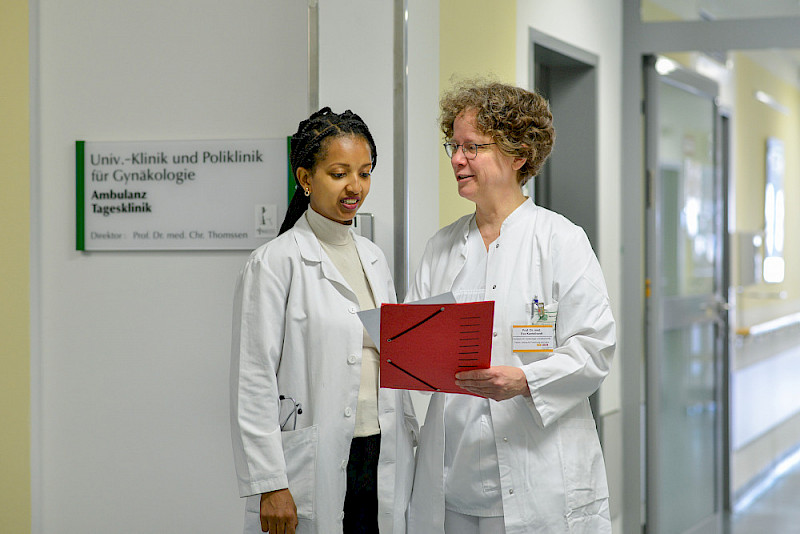
Cooperation on an equal footing
Professor Eva Kantelhardt is a medical doctor committed to improving healthcare in African countries. One focus of her work is the treatment of cancer in women in Ethiopia and other sub-Saharan countries. Read more
Professor Eva Kantelhardt is a medical doctor committed to improving healthcare in African countries. One focus of her work is the treatment of cancer in women in Ethiopia and other sub-Saharan countries. Read more
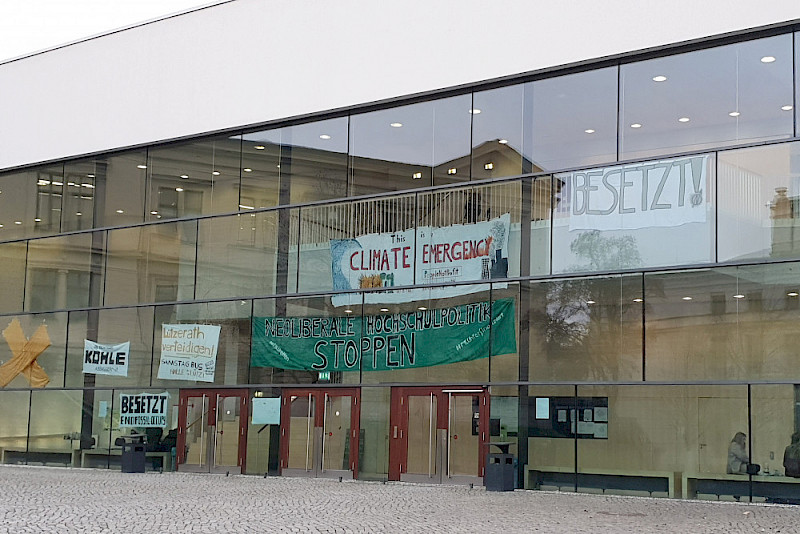
A new atlas is the first to show how the university is fairing in terms of scientific work on sustainability issues. It has been created under the leadership of the Rectorate's Sustainability Officer Professor Michael Stipp and the Sustainability Office with Frederik Bub. Read more
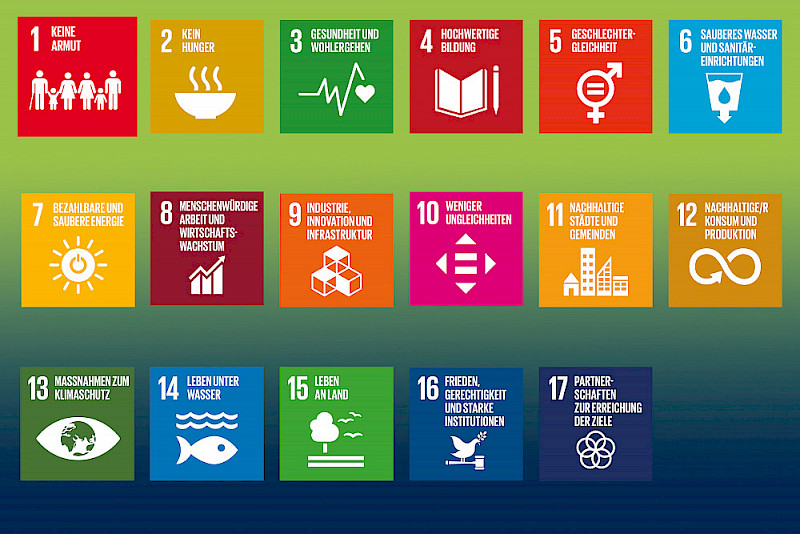
The UN’s Sustainable Development Goals play a major role at the university. A new research atlas lists more than 450 projects that deal with them - from education, to medicine and physics. Read more
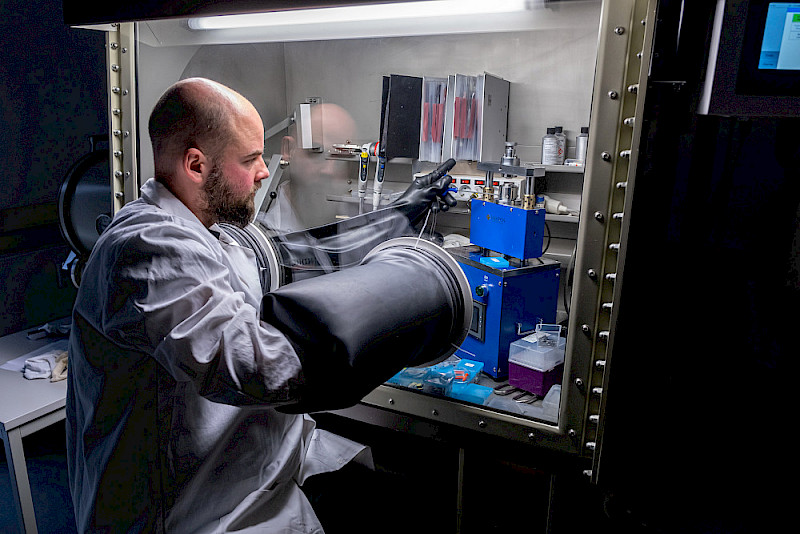
Physicists from the MLU and the start-up NORCSI are working on a new generation of lithium-ion batteries. They want to make them much more powerful through the use of silicon. Read more

The climate crisis and energy transition are a topic for many different scientific disciplines. A German studies scholar at the university is examining how art and literature are tackling these issues. Read more
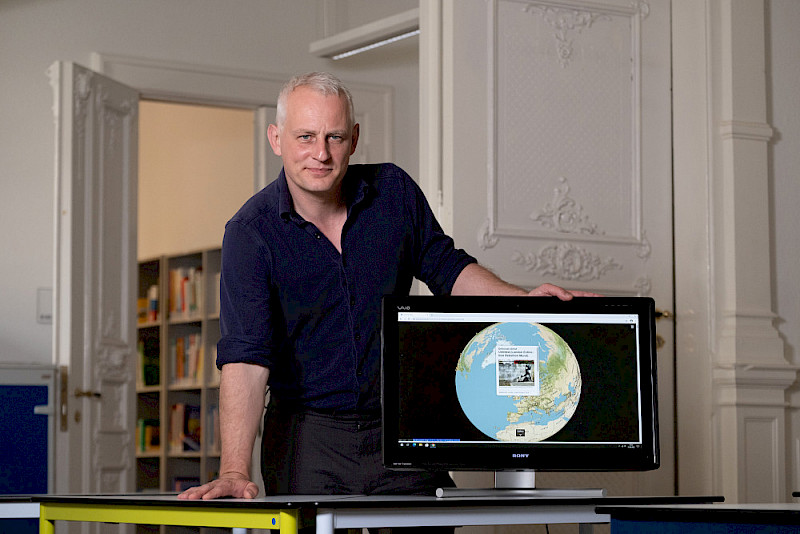
Climate change and the energy transition are two of the defining issues of our time. The literary scientist and sociologist, Professor Ingo Uhlig, explores how art and literature are able to contribute to this debate and to a greater acceptance. Read more
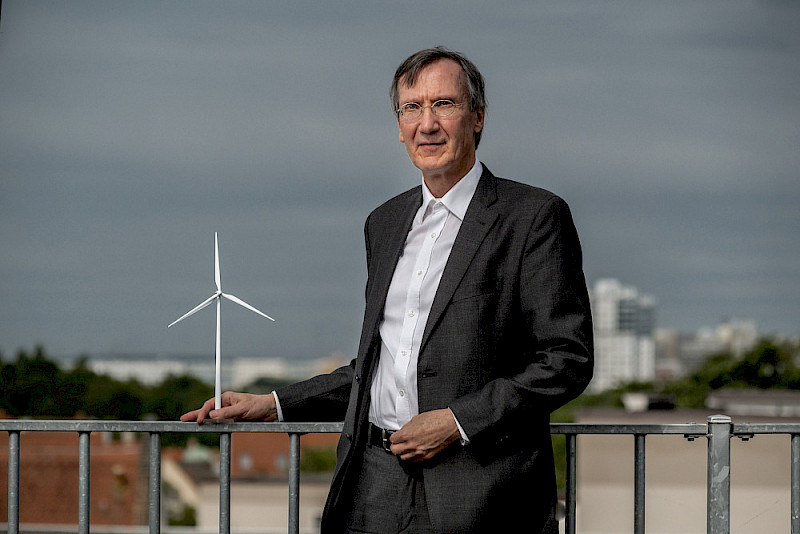
Dr Johannes Pohl conducts research alongside Professor Gundula Hübner on the acceptance and possible stress effects of wind turbines. In a conversation, he explains how participation and trust play an important role in increasing the acceptance of wind energy. Read more

For many people, food and chemicals just don’t belong together. But does a long list of ingredients and additives mean that our food is unnatural or even unhealthy? Professor Daniel Wefers, a food chemist from the University of Halle, advocates a more pragmatic view of things. Read more
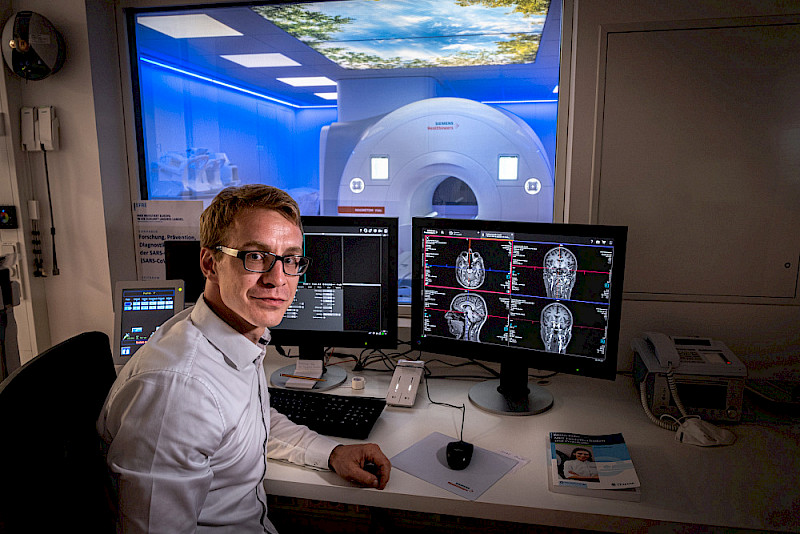
Electroconvulsive therapy is used to treat many people with major depressive disorder who don’t respond to psychotherapy and medication. A team of researchers at the Institute of Psychology is investigating why this is the case and who can benefit from the treatment. Read more